Showing posts with label Black-and-white Warbler. Show all posts

Wednesday, May 9, 2018

April 24, 29 and May 1, 7, and 8, 2018

To say we have been busy is an understatement.  We have had 5 sessions since our last report.  Migration is such a great time to be birding and banding.  Winds and rain are a key to having many of the migrants stop for refueling, otherwise they pass right over.  There are always a few who just run out of fuel and they too will feed in places like Possum Long.  We got a few times when conditions were good so we set up when that happened as well as our scheduled Tuesdays. 

We banded a total of 77 birds in these last 5 sessions.  Only one was quite notable but more on that later.  The other 76 were typical and expected Caribbean migrants.  It's always a pleasure to see these migrants and to learn what we can about them.

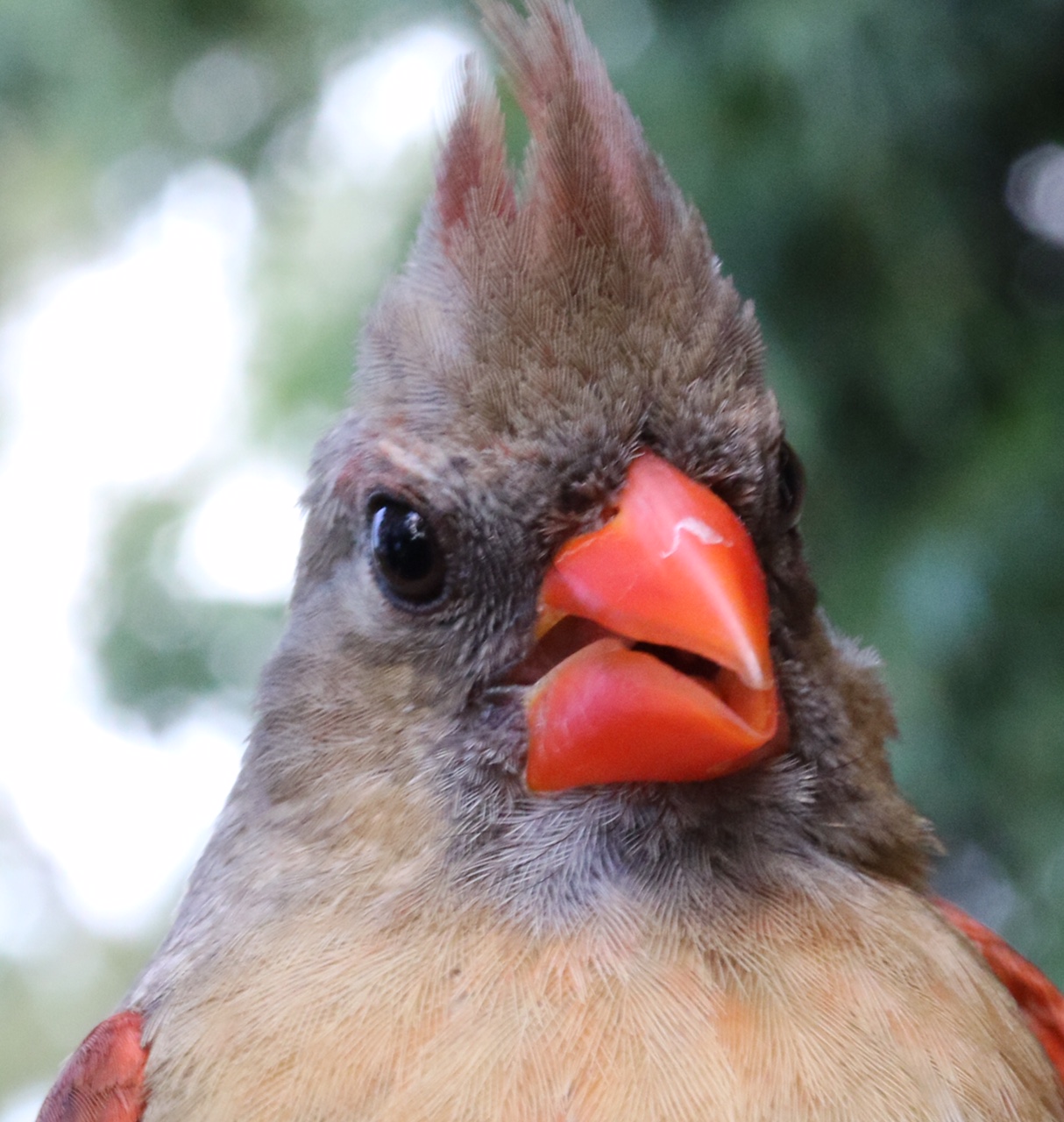
The warblers we banded were 1 Northern Parula, 12 American Redstarts, 24 Black-throated Blue Warblers, 10 Common Yellowthroats, 6 Black-and-white Warblers, 14 Ovenbirds, and 4 Northern Waterthrushes, (and 1 more).    We also banded 3 Gray Catbirds and 2 Northern Cardinals.

Black-and-white Warbler
Photo by Bill LaFramboise

Common Yellowthroat
Photo by Bill LaFramboise

Northern Waterthrush
Photo by Bill LaFramboise

Black-throated Blue Warbler
Photo by Bill LaFramboise

Ovenbird
Photo by Bill LaFramboise

The bird of note was a Connecticut Warbler.  Seeing this bird in the wild is very challenging.  They are very secretive as they pass through.  Typically winds from the west are required to drop these birds in our area.  West winds were not very strong or long but we decided to band on a Monday, May 7, because of them.  Exactly one year ago from then was the first time we ever banded this species.  Many people never see this bird.  It was never noted on the property without it being caught for banding.

Connecticut Warbler
Photo by Bill LaFramboise

We may be banding on Tuesday May 15 or any day that weather may drop birds.  Nets would go up at 6:30.  If there are no other sessions, we will do a total update on numbers once the data are compiled. 

Friday, April 20, 2018

April 10 and 11, 2018

During migration in Florida, seeing and catching birds to band depends on the weather.  It is hard to wish for bad weather as that means birds have a very hard time getting where they need to go.  However, if it is bad, we can take advantage of the situation.

Weather forecast for Monday night was rain with winds coming from the west.  This can be ideal for seeing migrants at Possum Long.  We banded on our regular Tuesday as well as Wednesday.  Though winds stayed a little too strong for ideal capturing, we did manage to band 19 birds on Tuesday.

Very early on we caught a Swainson's Warbler - only our fifth.  These are pretty secretive birds so it is always a pleasure to get one.  This was our first during spring migration, the other four were banded in September or October.

Swainson's Warbler
Photo by Pete Grannis

We also banded a lot of Worm-eating Warblers - our highest day total of this species.  Our highest year total was 5 and we tied that this day.  Although these two species are similar in appearance, in hand one can readily see the different crowns and the much larger bill of the Swainson's.  

Worm-eating Warbler
Photo by Jan Stanard

Twelve species of warblers were seen and 8 of those we banded.  The others banded were 2 Northern Parula, 1 American Redstart, 2 Black-and-white Warblers, 1 Black-throated Blue Warbler, 2 Ovenbirds, and 1 Palm Warbler.  Others seen were Black-throated Green, Cape May, Prairie and Yellow-throated.  

American Redstart
Photo by Jan Stanard

Northern Parula
Photo by Jan Stanard

Black-and-white Warbler
Photo by Pete Grannis

Pretty much it was a warbler day with the other species banded being 2 Painted Buntings and 2 Gray Catbirds.  We also recaptured 2 Blue Jays, 2 Painted Buntings, and a House Wren.  

Wednesday was less of a warbler day but we did add another species.  We banded a Northern Waterthrush.  We added 3 more Worm-eating Warblers to break the year total.  We banded a total of 11 birds - the above and 1 Painted Bunting, 1 American Redstart, 1 Northern Parula, 1 Black-throated Blue Warbler, 2 Ovenbirds, and a Blue-headed Vireo.   Thirty birds in two sessions - a really good two day total.


Northern Waterthrush
Photos by Bill LaFramboise

Blue-headed Vireo
Photo by Bill LaFramboise


Tuesday, March 20, 2018

March 18, 2018

On the 18th we returned to PB 10 which was one of our Season One sites.  It was a very quiet visit but still fun and informative.

We banded two new Painted Buntings.  We also had three recaptures which give us a lot of information.  One recapture was a male that we banded almost a year ago.  It was a young, green bird at that time but now shows its beautiful male plumage.  It was exceptionally bright and had a scattering of unexpected yellow patches on the breast and undertail.  We have seen this a lot but it is great to know the age of this bird (in its third year as banders add a year to ages in January).  Sometimes color changes are attributed to older birds but this one is on the young side.


male Painted Bunting with extra yellow feathers

We also had incidental captures of a Blue Jay and a Black-and-white Warbler.  The Black-and-white was born last summer and is just developing the black throat that indicates it is male. It is barely visible in the photo but you can see that for now it looks like a stripe but will become fully black.  

Black-and-white Warbler

Next Possum Long session will be on Tuesday, March 27.  Nets go up at 6:45 am.

Thursday, October 19, 2017

October 17, 2017

The last day of this 4 day marathon was relatively quiet yet exciting.  We recaptured a Northern Mockingbird that we had banded almost exactly one year ago.

Northern Mockingbird

We banded a total of 6 new birds:  1 Black-throated Blue Warbler,  1 Black-and-white Warbler, 1 Red-eyed Vireo, 1 Northern Cardinal and 2 American Redstarts.  It was the redstarts that held the excitement.  

Black-and-white Warbler

Typically a female or young male American Redstart has yellow coloring and a white underside.  The second one we caught was distinctly different.  There are color variations in most species.  Many times it is a lighter color, partially white, or entirely white birds.  There are also differences in many yellows and reds.  In this case the bird was distinctly blacker than normal.  This is called melanistic.  We are waiting to hear more about this particular bird.

American Redstart - melanistic

We are setting up for a banding event on October 21.  Young birders in grades 3-6 can come view our station.  We will post results.

The next scheduled banding session will be held on October 24, 2017.  Nets go up around 7:15 am.

Sunday, October 8, 2017

October 7 & 8, 2017

Sometimes, especially during migration, we elect to band on days that are not at the regularly scheduled time.  We banded on both Saturday and Sunday this week and it was well worth it.  We are at the peak arrival for some of the birds.  Saturday was warbler day.  We banded 22 individuals representing 8 species of warblers.  The expected American Redstarts (3), Ovenbirds (2), and Black-throated Blue Warblers (9) did not disappoint.  We even caught one each of two less commonly caught warblers - Northern Parula and Black-and-white Warbler.  But then there were 3 highlights!!

American Redstart
Photo by Bill LaFramboise

Northern Parula
Photo by Bill LaFramboise

Highlight One was catching more than one Magnolia Warbler!  We have never caught three in one session before.

Magnolia Warbler
Photo by Laura Karg


Magnolia Warbler
Photo by Bill LaFramboise

Highlight Two was catching a first for Possum Long Banding.  Though Yellow-throated warblers are sometimes seen on the property, we had never banded one there.  

Yellow-throated Warbler

Highlight Three was catching not one but TWO Cape May Warblers.  In all of the other years we have banded we had only caught one of these.  Two on one day is pretty awesome.  Cape May Warblers are also typically too high in the trees to catch them.  In areas where there are not tall trees, these bird can be seen down low but they prefer the upper areas in the trees of Possum Long.

Two Cape May Warblers!!

So in addition to the 22 warblers on Saturday we also banded two Painted Buntings and a Red-eyed Vireo.  The vireo was an adult with a really red eye as opposed to the two younger birds we caught recently that had dark eyes.  

Red-eyed Vireo

On Sunday we caught half the number we did on Saturday and the bird diversity on the property was much different, yet it was still a productive session.  There were still Summer and Scarlet Tanagers around and several Red-eyed Vireos.  The surprise was seeing THREE Baltimore Orioles.  We did not catch those but once again, Black-throated Blue Warblers (4) were the majority of the birds caught.   

Black-throated Blue Warbler (female)
Photo by Bill LaFramboise

Other birds caught were 2 American Redstarts, a Black-and-white Warbler, a White-eyed Vireo, an Ovenbird, 2 Swainson's Thrushes, and a Gray Catbird.  Gray Catbird numbers should be increasing in the next few weeks.  

White-eyed Vireo
Photo by Bill LaFramboise

Black-and-white Warbler
Photo by Laura Karg

Swainson's Thrush
Photo by Bill LaFramboise

Gray Catbird
Photo by Bill LaFramboise

Thirty-seven birds in two days!

The next regularly scheduled session as announced on the previous post is on October 10, 2017.  Nets go up at 7:15 am.


Tuesday, September 26, 2017

September 26, 2017 Opening day was hot!

Yes, opening day was hot both in terms of weather and birds.  Thankfully the thunderstorm skirted our area.  We banded a total of 20 birds (11 species).  Some ever faithful volunteers as well as some new ones were there and kept very busy.  My thanks to all of you.

We started off with a bang as our first bird was a Swainson's Warbler our fifth ever.  We really didn't expect to catch a second one later in the day!

Swainson's Warbler

After that we had a few more typical species a Northern Cardinal and our first of the season Gray Catbird. Many birds including the catbird had fat which means they still have reserves to go farther.

 Northern Cardinal

Gray Catbird

After these birds more kept coming.  We banded 1 male Painted Bunting (first one of Season 5!), 2 American Redstarts, 1 Black-throated Blue Warbler, 3 Black-and-white Warblers, a Common Yellowthroat, a White-eyed Vireo, 6 Ovenbirds, and what I consider the bird of the day.  I do think others may disagree but it was pretty good in my opinion.

Common Yellowthroat

Ovenbird

Black-and-white Warbler

Painted Bunting

Black-throated Blue Warbler

American Redstart

There were a few other migrants present on the property today including Red-eyed Vireos, a Scarlet Tanager, and Northern Parulas.  

So what I consider the bird of the day I had only banded one other of this species before and have seen under 10 of these in Florida!  We had a Chestnut-sided Warbler today.  The unique yellow-green color and chestnut sides were exciting to see up close.

Chestnut-sided Warbler

Chestnut-sided Warbler


Chestnut-sided Warbler
Photo by Robin Potvin

Quite the opening day.  Things should continue to be busy (we hope) for the next few weeks.  The next session will be on October 3.  Nets go up around 7 am.  


Monday, May 1, 2017

April 25, 2017 and a few more

April 25 will likely go down in the record books for numbers of birds.  Winds favorable for seeing migrants finally arrived and I was out of town!  Permit holder Pete Grannis with support from Jim and Roy banded a total of 24 birds:  12 Black-throated Blue Warblers, 3 Ovenbirds, 2 Gray-cheeked Thrushes, an Indigo Bunting, a Common Yellowthroat, a Veery, a Swainson's Thrush, a Gray Catbird, an American Redstart, and a Black-and-white Warbler.  My thanks to this crew who made it possible to not miss this wave of birds.  There might be more western winds later this week and we will be out there Tuesday or not!

Indigo Bunting
Photo by Pete Grannis

Black-throated Blue Warbler
Photo by Pete Grannis

Ovenbird
Photo by Pete Grannis

Black-and-white Warbler
Photo by Roy Netherton

Gray-cheeked Thrush
Photo by Roy Netherton

Our other permit holder, Bill LaFramboise, ran two sessions (April 22 and April 28) even though winds were not as favorable.  Several Northern Cardinals were banded as was a Gray Catbird and our final Painted Bunting.

Gray Catbird
Photo by Bill LaFramboise

Painted Bunting (SY)
Photo by Bill LaFramboise

Northern Cardinal
Photo by Bill LaFramboise

So, there should be a few more sessions at Possum Long and then we will break for the summer and see you all again sometime in August.  A future post will let you know when.

Next Possum Long Session will be on Tuesday, May 2.  Nets open at 6:45.  Remember pouring rain will delay or cancel a session.